

Whether
you
remember
them
or
not,
dreams
are
a
normal
part
of
sleep.
Everyone
dreams
for
a
total
of
about
two
hours
per
night,
and
dreams
can
occur
during
any
stage
of
sleep,
although
they’re
most
vivid
during
the
REM
phase.
If
you’ve
ever
woken
up
from
a
happy
dream
feeling
relaxed
and
rested—or
a
scary
one
feeling
on
edge—you
might
have
wondered
whether
the
content
of
your
shut-eye
reveries
can
make
a
difference
in
your
overall
sleep quality. Here’s what’s really going on:
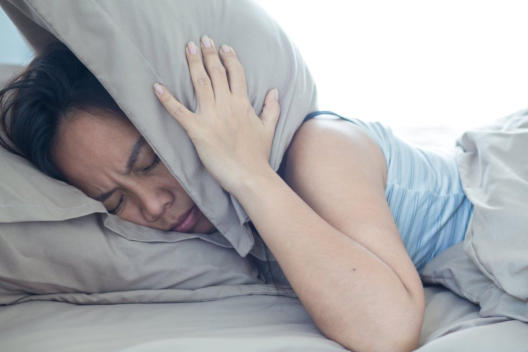
Scary Dreams Linger into the Next Day
Dreams
can
be
positive
or
negative,
and
there’s
no
question
that
nightmares
have
ramifications
that
last
even
after
you
wake
up.
Falling
back
asleep
after
awakening
from
a
nightmare
is
tough,
and
those
scary
images
can
affect
your
mood
and
behavior
the
next
day,
causing
the
equivalent
of
a
bad-dream
Dreams Don’t Change Sleep Structure
Despite
how
it
may
feel,
though,
disturbing
dreams
don’t
always
have
a
significant
effect
on
your
sleep
architecture,
meaning
they
won’t
necessarily
change
how
much
time
you
spend
in
the
different
stages
of
sleep
or
the
number
of
times
you
awaken.
What
they
can
change:
How
long
it
takes
to
fall
asleep
at
night
and
how
challenging
it
is
for
your
body
to
switch
between
non-
REM and REM stages of sleep, which may leave you feeling less rested.
Does Good Sleep Equal Happy Dreams?
The
relationship
between
dream
quality
and
sleep
quality
could
be
likened
to
the
old
chicken-and-egg
scenario:
No
one
is
sure
which
comes
first.
Research
shows
that
good
sleepers
often
describe
their
dreams
as
being
more
pleasant
and
joyful,
while
people
who
suffer
from
insomnia
tend
to
have
fewer
positive
emotions
associated
with
their
dreams,
but
whether
or
not
a
happy
or
sad
dream means you’ll sleep better or worse still isn’t clear.
Dreams Reflect Reality
Dream
content
often
relates
back
to
what’s
happening
in
your
waking
life.
If
you’re
experiencing
low
stress
and
plenty
of
satisfaction
in
your
day-to-day
life,
you
may
have
more
positive
dreams.
By
contrast,
if
you’re
depressed
or
anxious
during
the
day,
you
may
have
more
unpleasant
dreams
and
compromised sleep quality at night.
The
good
news
is
that
while
you
cannot
control
your
dreams
directly,
you
can
work
on
improving
your
state
of
mind
during
the
day.
This,
in
turn,
may
help
improve the quality of your dreams—and perhaps sleep—at night.
DO DREAMS AFFECT HOW
WELL YOU SLEEP?




Even though we have taken all the care for accuracy of facts we highly
recommend you see your doctor for professional advise and diagnosis.
1
2
3
4
5
6
This Website was produced by
CHIROPEDICSA
Bedding company
for your information on the
importance of a good night sleep




DO DREAMS AFFECT HOW
WELL YOU SLEEP?



This Website was produced by
CHIROPEDICSA
Bedding company
for your information on the
importance of a good night sleep
Even though we have taken all the care for accuracy of facts we highly
recommend you see your doctor for professional advise and diagnosis.
1
2
3
4
5
6
Whether
you
remember
them
or
not,
dreams
are
a
normal
part
of
sleep.
Everyone
dreams
for
a
total
of
about
two
hours
per
night,
and
dreams
can
occur
during
any
stage
of
sleep,
although
they’re
most
vivid
during
the
REM
phase.
If
you’ve
ever
woken
up
from
a
happy
dream
feeling
relaxed
and
rested—or
a
scary
one
feeling
on
edge—you
might
have
wondered
whether
the
content
of
your
shut-eye
reveries
can
make
a
difference
in
your
overall
sleep
quality.
Here’s
what’s
really going on:
Scary
Dreams
Linger
into
the
Next Day
Dreams
can
be
positive
or
negative,
and
there’s
no
question
that
nightmares
have
ramifications
that
last
even
after
you
wake
up.
Falling
back
asleep
after
awakening
from
a
nightmare
is
tough,
and
those
scary
images
can
affect
your
mood
and
behavior
the
next
day,
causing
the
equivalent of a bad-dream hangover.
Dreams
Don’t
Change
Sleep
Structure
Despite
how
it
may
feel,
though,
disturbing
dreams
don’t
always
have
a
significant
effect
on
your
sleep
architecture,
meaning
they
won’t
necessarily
change
how
much
time
you
spend
in
the
different
stages
of
sleep
or
the
number
of
times
you
awaken.
What
they
can
change:
How
long
it
takes
to
fall
asleep
at
night
and
how
challenging
it
is
for
your
body
to
switch
between
non-REM
and
REM
stages
of
sleep,
which
may
leave you feeling less rested.
Does Good Sleep Equal Happy Dreams?
The
relationship
between
dream
quality
and
sleep
quality
could
be
likened
to
the
old
chicken-and-egg
scenario:
No
one
is
sure
which
comes
first.
Research
shows
that
good
sleepers
often
describe
their
dreams
as
being
more
pleasant
and
joyful,
while
people
who
suffer
from
insomnia
tend
to
have
fewer
positive
emotions
associated
with
their
dreams,
but
whether
or
not
a
happy
or
sad
dream
means
you’ll
sleep better or worse still isn’t clear.
Dreams Reflect Reality
Dream
content
often
relates
back
to
what’s
happening
in
your
waking
life.
If
you’re
experiencing
low
stress
and
plenty
of
satisfaction
in
your
day-to-day
life,
you
may
have
more
positive
dreams.
By
contrast,
if
you’re
depressed
or
anxious
during
the
day,
you
may
have
more
unpleasant dreams and compromised sleep quality at night.
The
good
news
is
that
while
you
cannot
control
your
dreams
directly,
you
can
work
on
improving
your
state
of
mind
during
the
day.
This,
in
turn,
may
help
improve
the
quality
of
your
dreams—and
perhaps
sleep—at night.





DO DREAMS AFFECT HOW
WELL YOU SLEEP?



This Website was produced by
CHIROPEDICSA
Bedding company
for your information on the
importance of a good night sleep
Even though we have taken all the care for accuracy of facts we highly
recommend you see your doctor for professional advise and diagnosis.
1
2
3
4
5
6
Despite
how
it
may
feel,
though,
disturbing
dreams
don’t
always
have
a
significant
effect
on
your
sleep
architecture,
meaning
they
won’t
necessarily
change
how
much
time
you
spend
in
the
different
stages
of
sleep
or
the
number
of
times
you
awaken.
What
they
can
change:
How
long
it
takes
to
fall
asleep
at
night
and
how
challenging
it
is
for
your
body
to
switch
between
non-REM
and
REM
stages
of
sleep,
which
may
leave you feeling less rested.
Does Good Sleep Equal Happy Dreams?
The
relationship
between
dream
quality
and
sleep
quality
could
be
likened
to
the
old
chicken-and-egg
scenario:
No
one
is
sure
which
comes
first.
Research
shows
that
good
sleepers
often
describe
their
dreams
as
being
more
pleasant
and
joyful,
while
people
who
suffer
from
insomnia
tend
to
have
fewer
positive
emotions
associated
with
their
dreams,
but
whether
or
not
a
happy
or
sad
dream
means
you’ll
sleep better or worse still isn’t clear.
Dreams Reflect Reality
Dream
content
often
relates
back
to
what’s
happening
in
your
waking
life.
If
you’re
experiencing
low
stress
and
plenty
of
satisfaction
in
your
day-to-day
life,
you
may
have
more
positive
dreams.
By
contrast,
if
you’re
depressed
or
anxious
during
the
day,
you
may
have
more
unpleasant dreams and compromised sleep quality at night.
The
good
news
is
that
while
you
cannot
control
your
dreams
directly,
you
can
work
on
improving
your
state
of
mind
during
the
day.
This,
in
turn,
may
help
improve
the
quality
of
your
dreams—and
perhaps
sleep—at night.
Whether
you
remember
them
or
not,
dreams
are
a
normal
part
of
sleep.
Everyone
dreams
for
a
total
of
about
two
hours
per
night,
and
dreams
can
occur
during
any
stage
of
sleep,
although
they’re
most
vivid
during
the
REM
phase.
If
you’ve
ever
woken
up
from
a
happy
dream
feeling
relaxed
and
rested—or
a
scary
one
feeling
on
edge—you
might
have
wondered
whether
the
content
of
your
shut-eye
reveries
can
make
a
difference
in
your
overall
sleep
quality.
Here’s
what’s
really going on:
Scary
Dreams
Linger
into
the
Next Day
Dreams
can
be
positive
or
negative,
and
there’s
no
question
that
nightmares
have
ramifications
that
last
even
after
you
wake
up.
Falling
back
asleep
after
awakening
from
a
nightmare
is
tough,
and
those
scary
images
can
affect
your
mood
and
behavior
the
next
day,
causing
the
equivalent of a bad-dream hangover.
Dreams
Don’t
Change
Sleep
Structure